
The Five-Minute Reset After a Heavy Shift
A simple routine you can do beside the van before you drive home
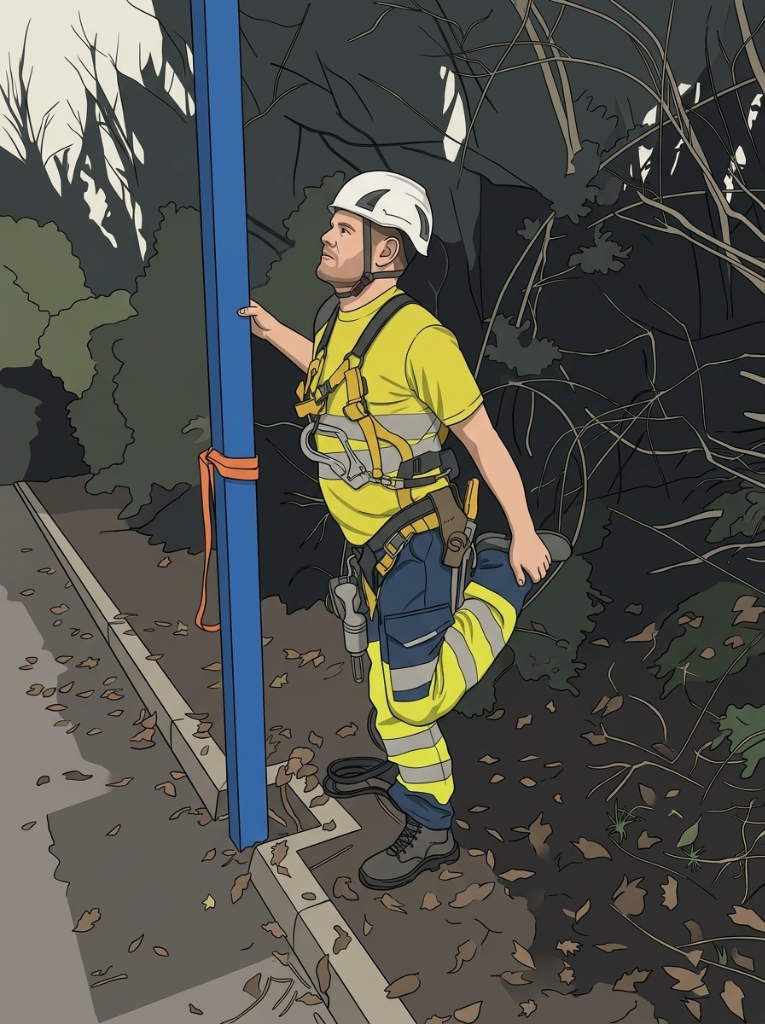
You’ve just done eight or ten hours on the tools. Your back’s tight, your shoulders are heavy, and the last thing you want to do is sit straight into the van and drive home stiff. Five minutes beside the van can change how tomorrow feels.
Most lads finish a shift, throw their gear in the van, and jump straight in the cab. The body goes from full output to nothing in seconds. That’s when stiffness sets in — not during the shift, but the moment you stop moving.
A five-minute reset isn’t a workout. It’s not stretching for flexibility. It’s just telling your body the work is done and giving it a chance to wind down before you drive home.
Quads
Stand on one leg, hold your other foot behind you. Keep your knees close together. Thirty seconds each side. Your legs have been carrying the weight all day — give them a chance to lengthen out.
Hamstrings
Put one foot up on the van step, keep it straight, lean forward gently from the hips. You don’t need to touch your toes. Just feel the back of the leg open up. Thirty seconds each side.
Shoulders
Arm across the chest, pull it gently with the other arm. Then reach overhead and let the elbow drop behind your head. Ten each side. Shoulders carry the tubes — they need releasing.
Back
Hands on the van, step back, let your chest drop between your arms. Let your head hang. Hold it for thirty seconds. This one’s the difference between driving home stiff and driving home loose.
You don’t need a mat, a gym, or a routine you have to remember. You just need five minutes, the side of the van, and the habit of doing it before you sit down.
The lads who do this every shift aren’t more flexible. They’re just less stiff. And less stiff means a better drive home, a better night’s sleep, and a back that doesn’t hate you tomorrow morning.
Five minutes. That’s the whole thing. Do it beside the van, before you sit down. It won’t fix everything, but it’s the cheapest thing you can do for your body after a shift — and over a year, it adds up.