The Silent Killer
How stress quietly takes years off your life — and what you can do about it
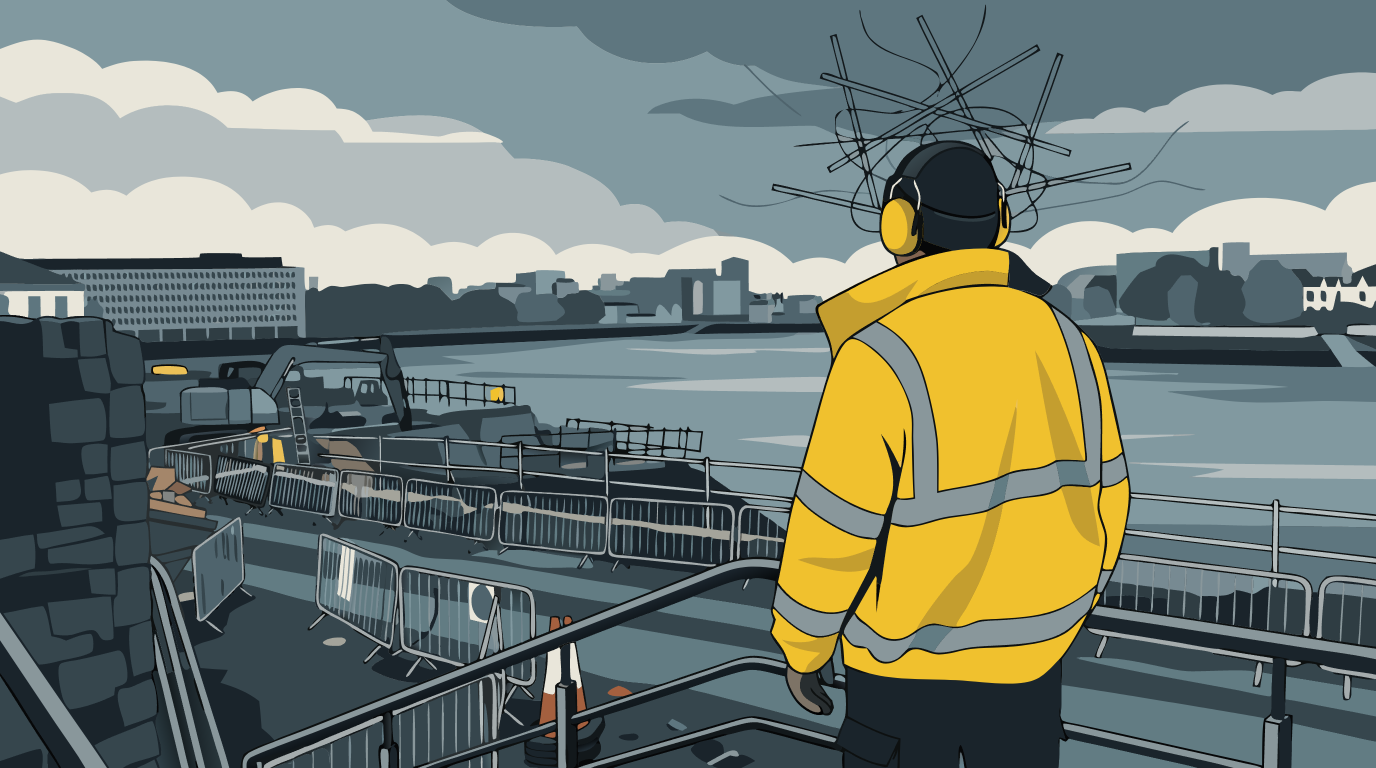
Stress is now recognised as one of the biggest contributors to poor health in the UK. According to numerous health authorities, including the NHS, chronic stress plays a major role in over 60% of illnesses and long-term conditions. It’s not just “feeling tense.” Prolonged stress may be silently taking years off your life — affecting everything from your mental clarity to your immune system and even reproductive health.
Brain & Nervous System
Headaches, fatigue, irritability, difficulty concentrating, trouble sleeping, anxiety or depression, and changes in appetite.
Skin
Breakouts, eczema flare-ups or other skin conditions.
Muscles & Joints
Tension in the neck and shoulders, aches and pains, and a higher risk of bone density loss.
Heart
Rapid heartbeat, raised blood pressure, and an increased risk of high cholesterol and heart disease.
Stomach & Digestive System
Bloating, nausea, heartburn, weight fluctuations, constipation or diarrhoea.
Pancreas
A greater risk of developing type 2 diabetes.
Reproductive System
Reduced libido, irregular periods (in women), and impotence or lower sperm count (in men).
Immune System
Weakened defences and more frequent illness.
Stress isn’t just an occasional inconvenience — it’s something most of us deal with daily, whether it’s from work, finances, family demands or even commuting.
The real issue? We were never really taught how to manage stress. At school, we learned maths and science, but not how to calm our racing minds or cope with life’s pressures. So, as adults, many of us find ourselves overwhelmed and burned out. Over time, this can lead to adrenal fatigue, hormone imbalance, or reliance on medications that bring their own side effects.
Back when I ran my gym, I had streams of clients coming through the doors carrying massive stress levels. It didn’t matter if they were high-powered business professionals or young lads just trying to get through school — stress was everywhere.
The business crowd
We didn’t chase weight loss or pressure them with targets on the scales. We focused on pure stress relief. Boxing became their outlet. Pad work, bag work, but with the pressure off. No performance anxiety. Just movement, learning, fun, and hitting something safely. The result? A 100% success rate in reducing stress levels. And I say that proudly. One day I plan to reach out to those past clients and get formal feedback because what we discovered during those sessions was incredibly powerful.
The teens
What we uncovered with that group was shocking but sadly common — energy drinks, late-night gaming, barely any sleep, school stress, and diets full of sugar, trans fats, and fizzy drinks. No routine. No rest. No balance. No wonder they were struggling mentally and physically. Stress in teens often presents differently, but the root causes were clear: poor sleep, poor nutrition, and no space to talk or let things out. When we helped shift those habits, little by little, the change was huge.
Just like there’s no “one-size-fits-all” diet, there’s no single way to manage stress. The key is to try different techniques and discover what works for you. Think of it as putting tools into your personal stress management toolbox.
Stress doesn’t disappear because you ignore it. It shows up in your sleep, your joints, your gut, your mood, and your relationships — whether you’re on the tools or behind a desk. Building a toolbox isn’t soft. It’s how you stay in the game longer.